

What Is NFPA 780 Lightning Protection and How Does It Guide Risk Assessments?
When it comes to protecting critical facilities from lightning, NFPA 780 serves as the foundation for this protection. Published by the National Fire Protection Association, this standard outlines the design, installation, and maintenance of effective lightning protection systems.
For industries like oil and gas, energy, and manufacturing, lightning isn’t just a weather concern; it’s a real operational threat. NFPA 780 helps turn that unpredictable risk into something measurable and manageable.
At Scientific Lightning Solutions (SLS), we work with teams that can’t afford to leave things to chance. NFPA 780 sets the baseline, but we go beyond it by applying scientific modeling, simulation, and real-world data to help clients make more informed, resilient decisions.
Understanding NFPA 780: More Than Just Compliance
NFPA 780 outlines the essential elements of a lightning protection system, including:
- Grounding and bonding requirements
- Air terminal placement
- Surge protection considerations
- Testing and maintenance guidelines
One of the most valuable—but often overlooked—parts of the standard is Annex L, which provides a structured approach for performing a lightning risk assessment. Annex L considers:
- Local lightning frequency
- The structure’s physical characteristics
- The contents and function of the facility
- Potential consequences of a strike
This framework helps organizations move from “lightning is a possibility” to a clearer understanding of actual risk.
From Standards to Science: How SLS Expands on NFPA 780
NFPA 780 gives you the framework. SLS gives you precision.
Our engineers and scientists use advanced tools, including 3D Monte Carlo lightning risk modeling and The Power of Rolling Sphere, to simulate thousands of potential strike scenarios. Instead of assuming a “typical” risk, we help organizations see precisely where and how lightning could interact with their assets.
This kind of modeling helps answer questions that NFPA 780 alone can’t:
- How would a direct strike affect interconnected systems?
- What happens to transient energy across multiple ground paths?
- Where should protection be strengthened for the best ROI?
That’s what we call moving beyond compliance & standards, toward scientific certainty, ensuring protection isn’t just adequate, but optimized.
NFPA 780 in Action: Industry Examples
Categories

Oil & Gas
For refineries, storage tanks, and processing units, lightning can instantaneously ignite volatile materials. NFPA 780 gives the grounding and bonding requirements; SLS uses modeling to show how energy may travel between assets and where additional mitigation is useful.
Energy & Renewables
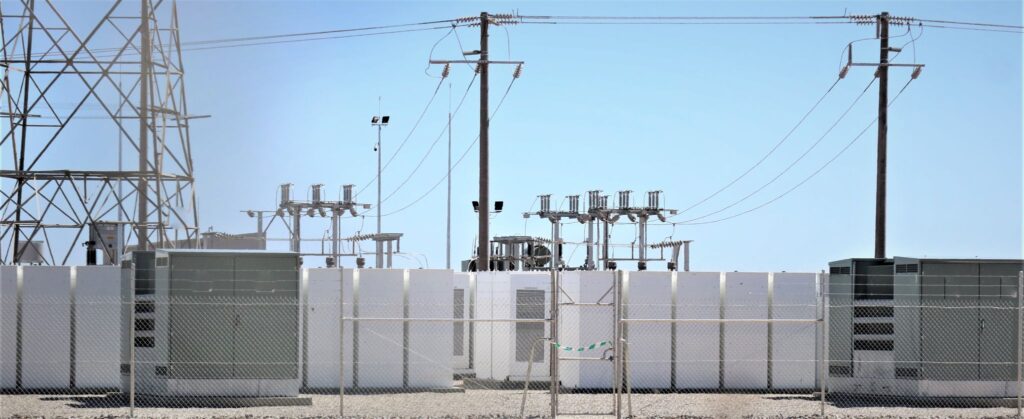
Power plants, substations, and renewables often sit in high-exposure regions. While NFPA 780 establishes minimum protection practices, our analysis helps ensure sensitive equipment—like control systems and transformers—are protected against both direct and indirect effects.

Manufacturing: Safeguarding Operations
In manufacturing, every hour of downtime costs money. NFPA 780 helps reduce the risk of structural and electrical damage, while SLS focuses on operational resilience, integrating monitoring systems that detect early warning signs and keep production running safely.
These are just a few examples from the industries we serve, where lightning protection isn’t optional; it’s essential.
Building Operational Resilience
A well-designed lightning protection system doesn’t just prevent damage, it keeps operations moving. That’s why SLS approaches protection as part of a broader Operational Performance and Resilience strategy.
Our work at SLS includes:
- Performing risk assessments
- Designing and reviewing lightning protection systems
- Investigating incidents and equipment failures
- Using field data to continuously refine recommendations
Each project strengthens our understanding of how lightning affects real facilities, which in turn helps our clients improve reliability and reduce downtime.
Conclusion: Turning Risk Into Resilience
NFPA 780 provides the framework for lightning protection. SLS helps organizations apply that standard in a way that is practical, science-based, and tailored to their operations.
If you want to understand your facility’s true lightning exposure—not just the minimum requirements—our team is here to help.