

Lightning RISK ASSESSMENT
Know Your Vulnerabilities
At Scientific Lightning Solutions (SLS), we offer comprehensive lightning risk assessment services that span a range of assets—from small commercial installations to vital military and aerospace infrastructure. Let our expert team guide you through the intricacies of identifying lightning-related risks.
Lightning Risk Assessments Are Crucial for Modern Facilities
Design-Phase Construction: Integrate lightning protection, shielding, bonding, and grounding during the initial design phase of new construction projects to save money and ensure operational continuity.
Existing Facilities: Effectively assess the efficiency of your existing lightning protection systems with precision.
Personnel Safety: Evaluate and manage risks to personnel in areas exposed to lightning-related hazards while formulating an effective safety plan
Asset Protection: Estimate the likelihood of your high-value assets being affected by direct lightning strikes or related damage.
The Power of Rolling Sphere Animation
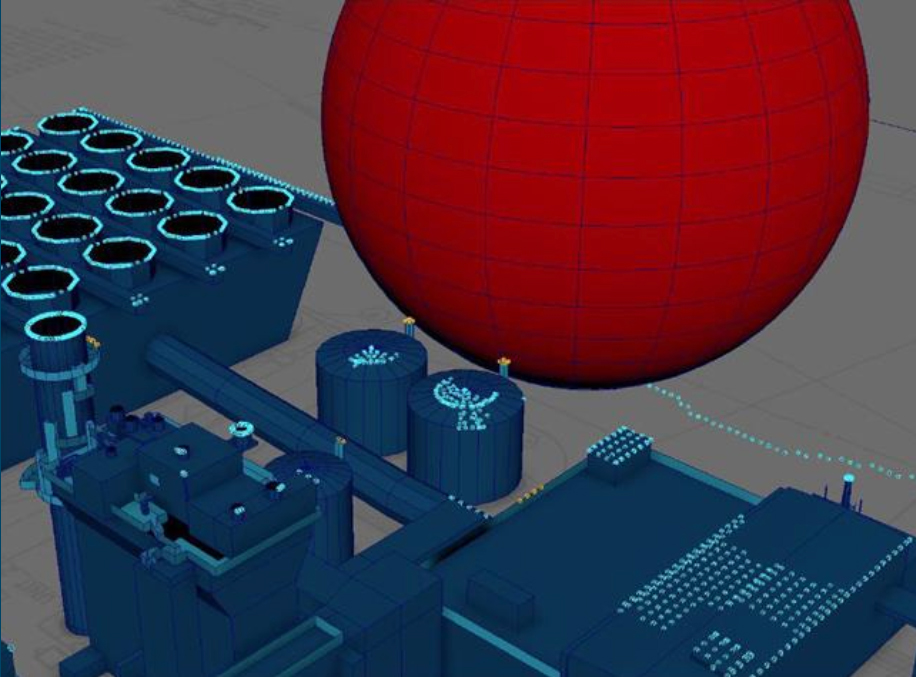
The first step in most risk assessments is evaluating whether existing lightning protection is adequate and compliant with relevant standards. Our specialized Rolling Sphere Animation tool enables our consultants to immediately visualize potential lightning risk areas on a facility and determine where additional lightning protection measures are required.
Once exposed areas are identified, a detailed lightning protection system design can turn the assessment findings into practical protection layouts, including air terminals, conductors, bonding, grounding, and surge protection suited to the asset geometry.
compliance & standards
As lightning risk assessment experts, we comply with IEC-62305 lightning protection standards and NFPA 780, which contains both simplified and detailed criteria for performing lightning risk assessments.
Simplified Risk Assessment
(NFPA 780 - 2020)
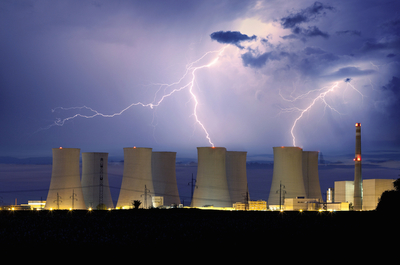
Our proprietary Simplified Risk Assessment Tool swiftly performs risk calculations in compliance with NFPA 780 (Simplified Risk Assessment Tool). Parameters include building dimensions, expected occupancy, construction materials, and location.
Detailed Risk Assessment
(NFPA 780 - 2020)
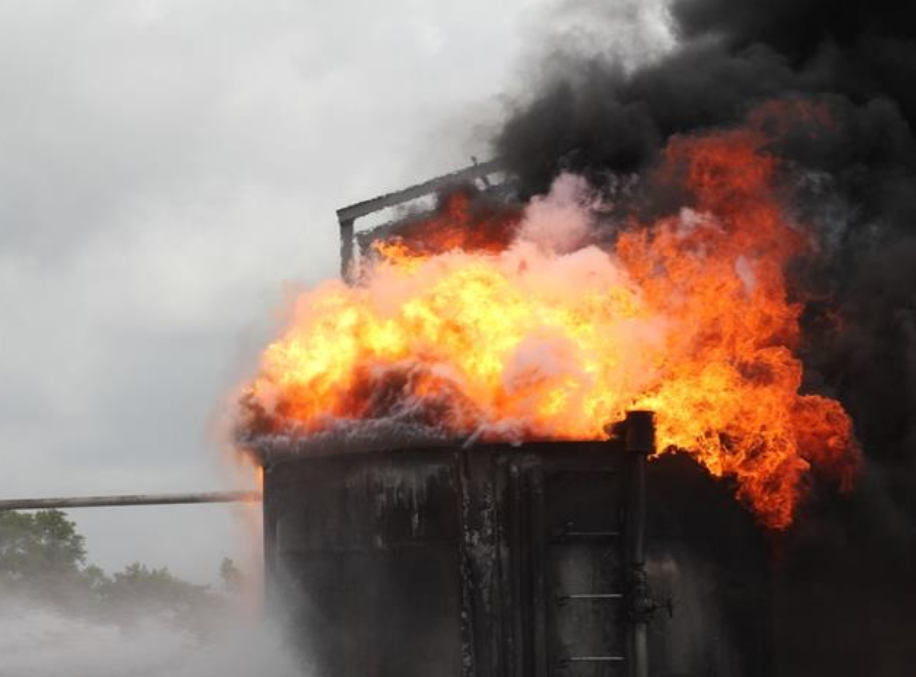
For facilities requiring a more intricate level of risk analysis, our engineers execute NFPA 780’s detailed lightning risk assessment, which accounts for multiple factors such as utility connections, SPD installation, cable shielding, and grounding topology.
The electrical performance of the grounding network is also important to the overall risk picture. A site visit for grounding system testing can help verify soil resistivity, ground resistance, and connection integrity where measurements are required.
IEC-Based Lightning Risk Assessment
We follow the comprehensive IEC-62305 risk management framework, which focuses on the potential economic losses, threats to human life, and service disruptions caused by lightning strikes.
Proprietary Monte Carlo 3D Lightning Risk Assessment
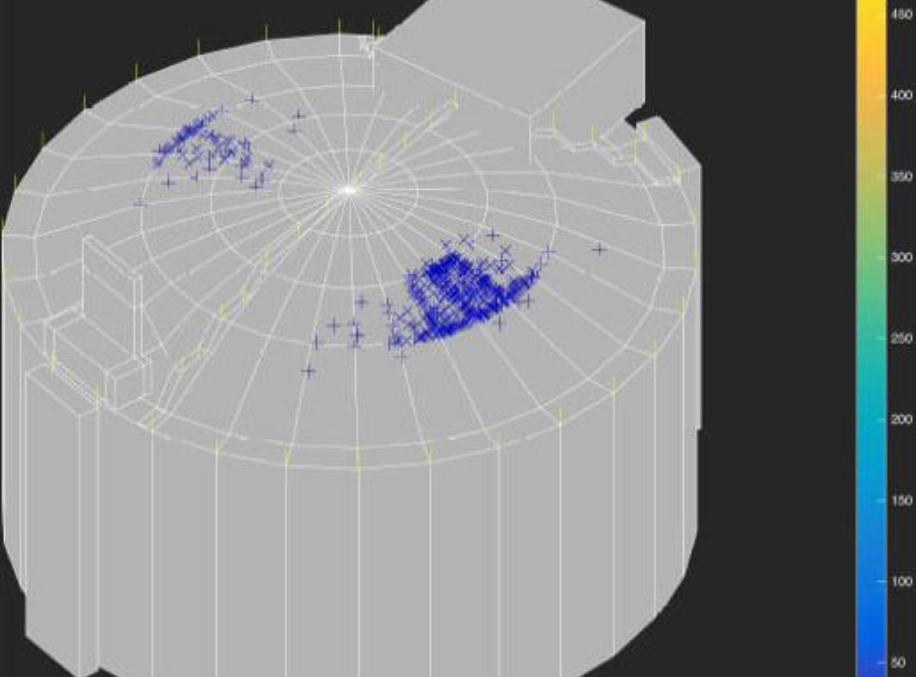
We leverage Monte Carlo simulations to offer a 3D risk assessment that quantifies the probability and peak current distribution of direct lightning strikes to your facility. Our proprietary software goes well beyond standard requirements, providing unparalleled insights into your facility’s lightning vulnerabilities. This is the tool of choice for high-value, mission-critical exposed assets such as launch facilities and various military applications.
Why Choose SLS for Your Lightning Risk Assessment?
Since lightning-related downtime can have dire consequences, both financially and operationally, entrusting your lightning risk assessment to SLS is not just a choice—it’s a necessity. Our unparalleled expertise, cutting-edge proprietary software, and comprehensive approach ensure that no stone is left unturned when it comes to identifying vulnerabilities. We not only adhere to globally recognized standards but also go beyond them, offering advanced 3D risk assessments that provide actionable insights you won’t find elsewhere. By choosing SLS, you’re opting for a partner committed to safeguarding your assets, your people, and your peace of mind. Reach out to us today and make lightning risk a concern of the past.
the industries we serve
- Power Plants
- Space Ports
- Airports
- Hi-Tech Manufacturing and Warehouse Facilities
- Water Treatment and Desalination Plants
- Fuel/Chemical Refineries & Storage Facilities
- Military & Defense
- Solar and Wind Farms
- Data Centers
- Stadiums and Arenas
- Communications Infrastructure
CONTACT OUR TEAM
OF EXPERTS
Do you have lightning-related questions or concerns? Leave us your contact information and a brief descriptive message and a member of our team of experts will respond promptly.
Frequently Asked Questions
A lightning risk assessment is a formal evaluation that identifies and quantifies a facility’s exposure to lightning-related hazards, covering asset damage, personnel safety, and service disruption, to determine what level of lightning protection is required.
Lightning risk assessments are typically performed under NFPA 780 (U.S. standard, with both simplified and detailed methods) and IEC 62305 (international standard focused on economic loss, life safety, and service continuity).
A simplified NFPA 780 assessment uses basic parameters like building size, occupancy, and construction materials, while a detailed assessment adds deeper factors such as utility connections, surge protective device (SPD) placement, cable shielding, and grounding topology.
It’s SLS’s proprietary simulation method that models the probability and peak current distribution of direct lightning strikes on a facility in 3D, offering deeper insight than standard NFPA or IEC calculations. It is typically used for high-value, mission-critical sites like launch facilities.
Ideally, it should be performed during the design phase so lightning protection, bonding, and grounding can be integrated into new construction to save cost. Assessments are also performed on existing facilities to evaluate current protection adequacy.
Rolling Sphere Animation is a modeling tool SLS uses to visualize a facility’s lightning exposure zones and identify precisely where existing protection is inadequate and additional measures are needed.